The six classes, in one table
Six classes, three roles, one decision. Astellia 2 keeps the structure of the original: a frontline that holds, damage that comes from three directions, and a support class that keeps everyone standing. Each class also carries an official weakness, which is the part most guides skip and the part that decides whether you enjoy the character at level 40.
The table
| Class | Weapon | Symbol | Role | Official weakness |
|---|---|---|---|---|
| Knight | Longsword and shield | Shield and sword | Frontline tank, stuns, group buffs | Low mobility, low damage |
| Berserker | Greatsword | Axe | Frontline bruiser, pressure damage | Low defence |
| Assassin | Twin blades | Dagger | Melee burst from stealth | Low defence |
| Archer | Bow | Arrow | Ranged damage, debuffs | Vulnerable when closed on |
| Scholar | Staff | Book | Healing and shielding | Low attack power |
| Mage | Grimoire | Orb | Elemental area damage | Low defence |
The pattern is deliberate: three classes give up defence for output or utility, the Knight gives up output for control, and the Scholar gives up output entirely for support. Nobody in the launch build is described as a hybrid.
Knight — the line holder
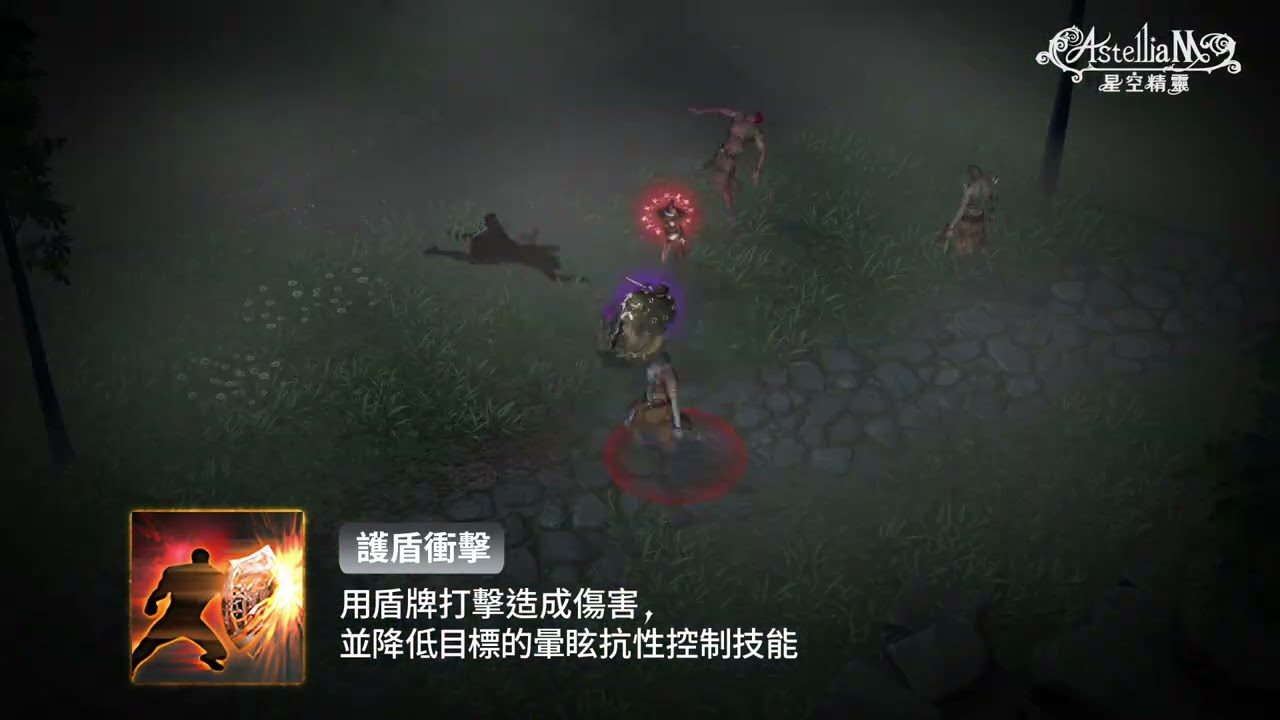
The Knight is the only class the official material describes as protective by design: longsword, shield, front of the party, stun and strengthening abilities. In practice that means you are the player who decides where the fight happens. A stunned pack is a pack that is not reaching your Scholar.
The cost is written into the class. Low mobility means you cannot chase; low damage means solo content is slower than it is for anyone else. If your idea of a good evening is holding a corridor while three people burn a boss, this is the class. If you want to see big numbers, it is not.
Berserker — the trade
Greatsword, axe symbol, and the same frontline slot as the Knight with the defence stripped out. The official description is explicit about the bargain: the Berserker compensates for weak defence with bold attacks. You are trading survivability for the ability to end a fight before it ends you.
That makes the Berserker the class most dependent on a healer who is paying attention, and the class most likely to feel bad in a pickup group that has none.
Assassin — the opener
Twin blades, dagger symbol, stealth. The Assassin's job is to start the fight on its terms: close, burst, and get out before the return swing. Low defence is the stated cost, so the skill ceiling is about timing rather than gear.
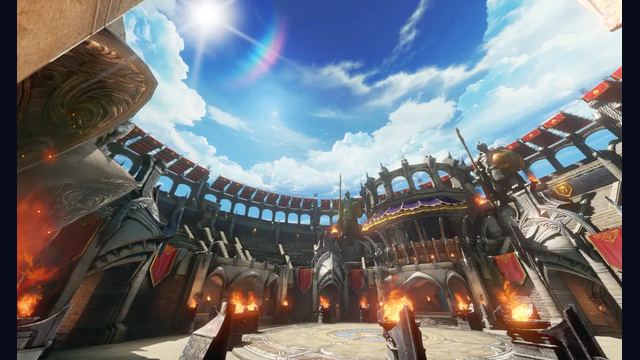
In PvP — the Colosseum — this is the class that punishes a separated target. In group PvE it is the class that removes a priority add while everyone else holds the line.
Archer — the debuffer
Bow, arrow symbol, ranged damage with debuff effects. Read the official line carefully: the Archer's compensation is not raw damage, it is what the arrows do to the target. A well-played Archer makes the boss killable for everyone else.
The stated weakness — vulnerability when something closes the distance — is the whole gameplay. Positioning is the class.
Scholar — the reason the party exists
Staff, book symbol, healing and shielding, and the lowest attack power of the six. Every group wants one and almost nobody wants to level one alone, which is the eternal support problem.
The trade is real: your solo clear speed is the worst in the game. Your group value is the highest. If you play with a fixed party, the Scholar is the safest pick in the roster.
Mage — the area answer
Grimoire, orb symbol, elemental magic with strong area damage. Where the Archer debuffs a single priority target, the Mage deletes a room. Low defence is the price, and the counterplay is the same as the Archer's: do not get reached.
Mages are the class most rewarded by pull discipline. A tank who gathers and a Mage who detonates is the standard pairing for a reason.
How the six line up
| If you want… | Pick | Because |
|---|---|---|
| To never die first | Knight | Stuns plus the highest described survivability |
| Melee damage with no safety net | Berserker | Official trade: defence for pressure |
| To pick your fights | Assassin | Stealth plus burst |
| To control the fight from range | Archer | Debuffs are the class |
| To be wanted in every group | Scholar | Only dedicated healer |
| To clear packs fast | Mage | Area damage is the identity |
What this table cannot tell you
There are no published damage coefficients, cooldown tables or stat curves for any of the six classes. Anyone showing you a numerical tier list on 6 November 2026 is guessing or inventing. The honest ranking is by role scarcity and by how much you enjoy the weakness, which is what the class picker is built around.
Every class description above is a paraphrase of the official class page, checked on 6 November 2026.
Reading the class page the way the developer wrote it
Each class entry follows the same shape: a weapon, a symbol, a role, then a sentence that starts with what the class lacks. That order is not accidental. The weakness is the design statement — the strength is the marketing.
A practical example: the Knight is described as protective and then immediately as lacking mobility and offensive power. That second half is what you will feel at level 1 when a quest mob takes four times longer than it would on a Mage. The class is not weak; it is priced.
Use the same reading on the other five and the roster stops being a list of six flavours and becomes three trade-offs: control for damage, defence for pressure, support for output.