What the sequel kept and dropped
The original Astellia was a 2019 PC MMORPG published by Nexon, built around classes and summoned Astels. Its Korean service closed in January 2020. Six years later the sequel arrives on phones and PC with the same world, the same class structure, and a very different business model. Here is what actually carried over.
The comparison
| Astellia (2019) | Astellia 2 (2026) | |
|---|---|---|
| Platform | PC | PC and Android; iOS not yet open |
| Launch publisher | Nexon (Korea) | NEXUS (Korea), Lepor (global) |
| Business model | Buy-to-play with shop | Free to play with in-app purchases |
| Classes | Six | Six, same names |
| Signature system | Astels | Astels |
| PvP | Arena content | Colosseum with seasonal ranking |
| Token layer | None | ATRA and ATRAx, optional wallet |
| Status | Korean service closed January 2020 | Live since 5 November 2026 |
What carried over
The six-class structure. Knight, Berserker, Assassin, Archer, Scholar and Mage in both games. The sequel did not add a seventh class or merge roles; it kept the shape and re-tuned the details.
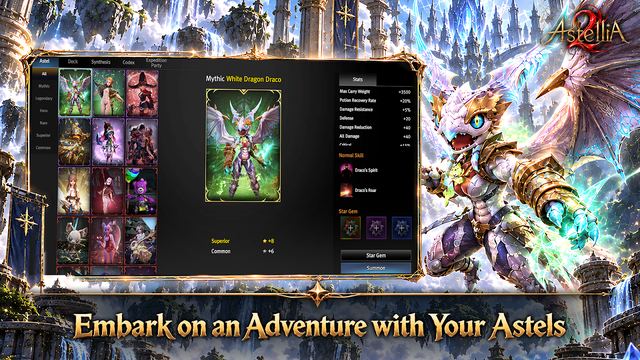
The Astels. The companion system is the series' identity, and the sequel treats it as the headline feature rather than a side system. The pre-registration campaign's most valuable item was a guaranteed Astel summon.
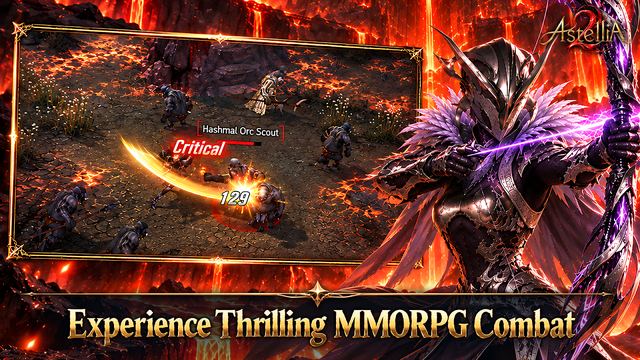
The boss-and-arena endgame. Cooperative boss content plus a competitive arena is the same broad structure the original shipped with. The names changed — Subjugation, Contest, Colosseum — but the shape is familiar.
What changed
The platform, and therefore everything downstream. A phone-first game has shorter sessions, touch-sized UI, chunked content and aggressive auto-pathing. Anyone coming from the 2019 PC build will notice the density drop before they notice anything else.
The business model. The original was a paid PC game with a shop; the sequel is free with in-app purchases that the store listing says include random items. That is the single biggest change, and it is the one that should inform whether you play.
The publishing split. Nexon is gone; NEXUS runs Korea and Lepor runs the global version. That split explains the token layer, which exists on the global side.
The token economy. The original had no blockchain component. The sequel's global version does: ATRA in game, ATRAx on-chain, optional wallets from 19 November, with supply and rates still to be announced.
The name-only continuity. "2" rather than a subtitle signals continuity of world rather than continuity of story. No published material describes the sequel as a direct narrative continuation.
Was the original a failure?
The Korean service closed in January 2020, roughly a year after launch, which is the factual answer. Whether that was a commercial failure or a restructuring decision is a business question the publisher never detailed publicly.
What matters for a new player is narrower: the sequel is not a re-release, it is a new build with a new operator and a new model. Reviews of the 2019 game describe a different product.
Should you play the sequel if you played the original?
If you played for the Astels, yes — the system survives and is the marketing centrepiece.
If you played for the PC-first feel, temper expectations. This build is designed for a phone and the PC client is a port of that design, not a separate PC game.
If you played for the buy-to-play model, the sequel is free but the shop is louder. Read currencies and the cash shop before you install.
What about other comparisons
The obvious genre neighbours are other Korean cross-platform MMOs rather than the 2019 title, and the honest comparison for a new player is "is this the MMO I want to spend a month in", not "is it better than a game that closed six years ago".
The original is still useful as a reference point for one thing: it tells you which systems the developer considers core. Classes and Astels survived a shutdown and a six-year gap. That is a strong signal about what the sequel will protect.
The summary
Same world, same six classes, same Astels, new platform, new operator, new free-to-play model with a token layer on the global side. The 2019 game closed in Korea in January 2020; the 2026 game is live and free. If you are here because you remember the original, the companion system is the part that will feel like home.
The one comparison that predicts your experience
Forget the feature table for a moment. The single difference that determines whether you enjoy the sequel is session shape.
The 2019 PC game expected sittings. The 2026 build is designed for a phone: quests are chunked, travel is assisted, and content is sized for a commute. On a PC that reads as a game with training wheels; on a phone it reads as a game that respects your hand.
If you bounced off mobile MMOs before, the PC client will not change that, because it is the same design at a higher resolution. If you liked them, the PC client is the better way to play the same thing. The 2019 game is history; the 2026 game is the one you can install tonight.
Checked against the official site, launch coverage and the store listings on 6 November 2026.